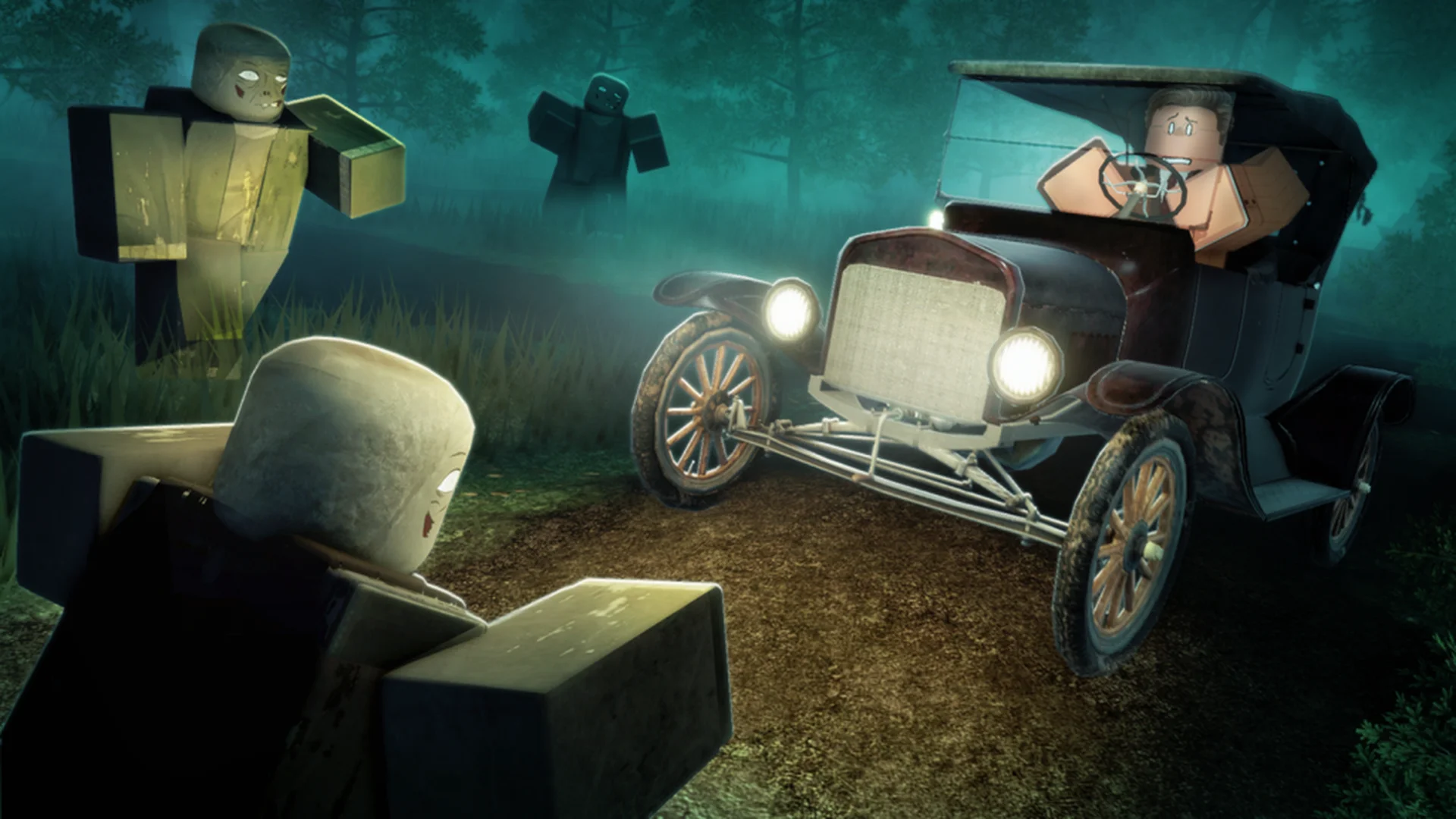
- Road to Ruin survival tips: Prepare the vehicle, supplies, inventory, and team roles before departure.
- Best formation: Keep players close enough to support one another during travel, combat, and scavenging.
- Loot priority: Secure medical supplies, fuel, food, ammunition, and objective items before low-value extras.
- Safe decision: Retreat when the team is separated, weakened, overloaded, or carrying important loot.
- Alpha reminder: Recheck routes, resources, and enemy behavior after major 2026 updates.
Road to Ruin Survival Tips for Your First Run
Road to Ruin survival tips are most useful when they follow the game’s central loop: prepare the vehicle, search nearby locations, manage shared supplies, travel through dangerous areas, and complete the next objective together. New players usually struggle because they leave too early, carry too much low-value loot, or separate from the group during a fight.
The safest opening is not the fastest possible departure. Take a moment to check the team’s condition, vehicle readiness, available supplies, and inventory space. A short preparation phase gives the group more options when the route becomes dangerous.
| Preparation Check | Priority | Why It Matters |
|---|---|---|
| Vehicle status | High | The vehicle supports travel, storage, regrouping, and route progression. |
| Medical supplies | Very high | Keeps injuries from turning one encounter into a failed journey. |
| Fuel | High when required | Supports continued movement when the next route section depends on travel resources. |
| Food and general supplies | High | Helps the team sustain longer road sections and later objectives. |
| Inventory space | High | Prevents valuable discoveries from being discarded during scavenging. |
| Team readiness | Very high | Avoids leaving behind players who are still searching, healing, or organizing loot. |
Prepare
Check the vehicle, supplies, health, and inventory space before leaving.
Search
Start with nearby locations and follow a route that keeps the vehicle accessible.
Regroup
Return to the vehicle regularly to unload loot and confirm the next move.
Retreat
Leave dangerous areas before separation, low supplies, or greed turns a good run into a loss.
Give every player a simple responsibility before departure. A route lead, scavenger, combat guard, and support runner can coordinate effectively without requiring a formal class system.
Useful public-server roles include:
- Route lead: Chooses the next location and announces when the group advances.
- Scavenger: Searches containers and side areas while protecting inventory space.
- Combat guard: Watches for threats and stays near vulnerable teammates.
- Support runner: Tracks separated players, shared supplies, and safe regrouping points.
These roles are flexible rather than permanent classes. Change them when the team composition or route difficulty changes.
Step-by-Step Route and Scavenging Method
A reliable route balances progress, loot, and exposure to danger. Searching every possible building can produce more resources, but it also increases travel time, separation risk, and the chance of entering the next encounter without enough supplies.
Confirm the Next Objective
Before leaving the vehicle, identify the next destination and decide whether the group needs supplies, a route transition, or an objective item. This prevents random wandering and keeps the team focused on one useful search area at a time.
Search the Closest Safe Locations
Begin with locations near the vehicle or current route. Secure essential food, medical supplies, fuel, ammunition, weapons, and objective-linked items before taking a longer detour.
Use a Short Search Pattern
Divide the area into a simple path instead of sending every player in a different direction. Keep the vehicle’s location in mind and leave a clear retreat route before entering a dangerous building or side path.
Return and Redistribute Supplies
Unload shared resources at the vehicle whenever possible. Move medical items, ammunition, fuel, and objective materials to the players who need them rather than allowing one inventory to hold the entire team’s critical supplies.
Advance Only When Everyone Is Ready
Confirm that separated teammates have returned, important loot is secured, and the next road section is understood. If the team is injured or overloaded, take a safer route or regroup before continuing.
| Route Choice | Recommended Use | Main Risk |
|---|---|---|
| Nearby search | First stop, low supplies, unfamiliar area | Less total loot |
| Planned side route | Extra resources are needed and the area remains controlled | More travel and exposure |
| Dangerous detour | Team has strong supplies and a clear objective benefit | Higher encounter pressure |
| Immediate retreat | Team is separated, injured, or carrying valuable loot | Slower progression |
Do not treat every container as worth searching. When inventory space is limited, leave low-value duplicates behind and protect the supplies needed for travel, recovery, and the next objective.
Use short communication calls such as “vehicle,” “retreat,” “enemy ahead,” and “search complete.” Clear callouts reduce confusion in public servers and help fixed teams make decisions without long discussions during combat.
Resource Management and Loot Priorities
Road to Ruin rewards teams that treat supplies as shared resources rather than personal prizes. The best item to carry depends on the remaining route, player condition, inventory capacity, and the danger of the next area.
| Loot Category | Carry Priority | Best Use |
|---|---|---|
| Medical supplies | Very high | Reserve for serious injuries, dangerous transitions, or weakened players who must remain active. |
| Fuel | High when required | Assign one player to track it and confirm the next travel objective before spending it. |
| Food | High on long routes | Use when the team can gain meaningful recovery instead of consuming it immediately after pickup. |
| Ammunition | Very high for ranged roles | Track it before major encounters and spend it on confirmed threats or high-risk targets. |
| Weapons | High for combat roles | Equip reliable options before entering a known danger area and avoid unnecessary duplication. |
| Objective materials | High during active tasks | Protect them until the related objective is complete. |
| Miscellaneous resources | Medium | Keep them when useful for progression; discard low-value duplicates only when space is needed. |
Use Now
Critical medical items, supplies needed for the next objective, and resources required to prevent an immediate failure.
Carry Forward
Fuel, ammunition, food, and objective materials that support future road sections or major encounters.
Leave Behind
Duplicate low-value items, unnecessary extras, and resources that consume space without helping the current route.
A practical inventory rule is to ask three questions before picking up an item:
- Does the team need it before reaching the next checkpoint?
- Is another player better positioned to carry or use it?
- Will taking it force the team to abandon a more valuable resource?
Redistribute critical items before advancing. A balanced team can recover from one player being defeated or separated more easily than a team that stores every important supply in one inventory.
Medical supplies should be distributed when possible, ammunition should follow the team’s most important combat role, and fuel should have a clearly assigned owner. This approach prevents confusion when the route suddenly becomes hostile.
Combat, Retreats, and Co-op Positioning
Combat becomes safer when the group controls distance, spacing, and retreat options. The goal is not to defeat every hostile encounter immediately. The goal is to preserve the team’s ability to continue the journey.
| Encounter Type | Danger | Recommended Response |
|---|---|---|
| Standard hostile encounter | Moderate | Focus the nearest threat, maintain distance, and avoid chasing enemies away from the route. |
| Special enemy group | High | Hold a defensible position, regroup, and remove the highest-pressure target first. |
| Boss-level encounter | Very high | Prepare health, ammunition, roles, and escape space before triggering the fight. |
| Environmental threat | Variable | Scout carefully, move as a compact group, and retreat early if visibility or movement becomes unsafe. |
Follow these combat principles:
- Keep the team within supporting distance during exposed travel.
- Announce enemy locations before engaging.
- Avoid splitting damage across several threats without a clear reason.
- Do not chase an enemy beyond the group’s planned route.
- Keep a retreat path open before starting a fight.
- Save medical supplies and ammunition for sustained pressure or major objectives.
- Protect the scavenger and support player when the group is forced into combat.
A retreat is usually the correct call when:
- One or more players are separated from the group.
- The team is carrying valuable objective items.
- Ammunition or medical supplies are too low for the next danger area.
- The vehicle is close enough to provide a safe regrouping point.
- The group has already completed the immediate objective.
- The encounter is consuming more resources than the reward justifies.
Before Entering a Dangerous Section:
- Confirm the next objective and retreat direction
- Check health, ammunition, medical supplies, and fuel
- Keep the team within supporting distance
- Assign a player to watch the vehicle and shared resources
- Leave low-value loot behind if inventory space is limited
Waiting until the team is nearly defeated removes useful options. If the group is separated, overloaded, or unable to support the front player, call the retreat before the situation becomes critical.
In public servers, communicate the plan before moving. A short message such as “return to vehicle,” “hold here,” or “search left side only” is often enough to prevent players from advancing in opposite directions.
Alpha Updates, Checklist, and FAQ
Road to Ruin is an Alpha Roblox multiplayer survival horror experience, so route layouts, enemy behavior, resource placement, and progression systems may change during 2026. Use the core strategy consistently, but review the latest in-game behavior after major updates rather than assuming an old route remains optimal.
| Update Area | What to Recheck |
|---|---|
| Map structure | Road nodes, side paths, danger zones, and vehicle access |
| Loot placement | Food, medical supplies, fuel, ammunition, and objective materials |
| Enemy behavior | Pressure level, attack patterns, spawn areas, and encounter timing |
| Vehicle systems | Travel requirements, storage access, repairs, and route transitions |
| Team roles | Whether the current version rewards more scouting, combat support, or resource control |
Treat established strategies as adaptable playbooks. If an update changes a route or resource location, preserve the same priorities—prepare, stay together, protect supplies, and retreat before overextension.
Q: What are the best Road to Ruin survival tips for beginners?
Prepare the vehicle before leaving, search nearby areas first, keep inventory space open, share critical supplies, and stay close enough to retreat together.
Q: What should a team prioritize when looting?
Prioritize medical supplies, required fuel, food for long routes, ammunition for the main combat role, and objective-linked materials. Leave low-value duplicates when space is limited.
Q: Should the team fight every enemy encounter?
No. Fight when the encounter protects progression or blocks an important objective. Retreat when the team is separated, weakened, low on supplies, or carrying valuable loot.
Q: Does Road to Ruin have fixed classes in the Alpha version?
The available information supports practical team roles such as route lead, scavenger, combat guard, and support runner. Treat these as flexible responsibilities rather than confirmed permanent classes.
For the official Roblox experience search, use the Road to Ruin Roblox listing. The available game overview also describes the project as an Alpha multiplayer survival horror experience built around vehicles, scavenging, cooperation, and enemy encounters; see the Road to Ruin game overview.