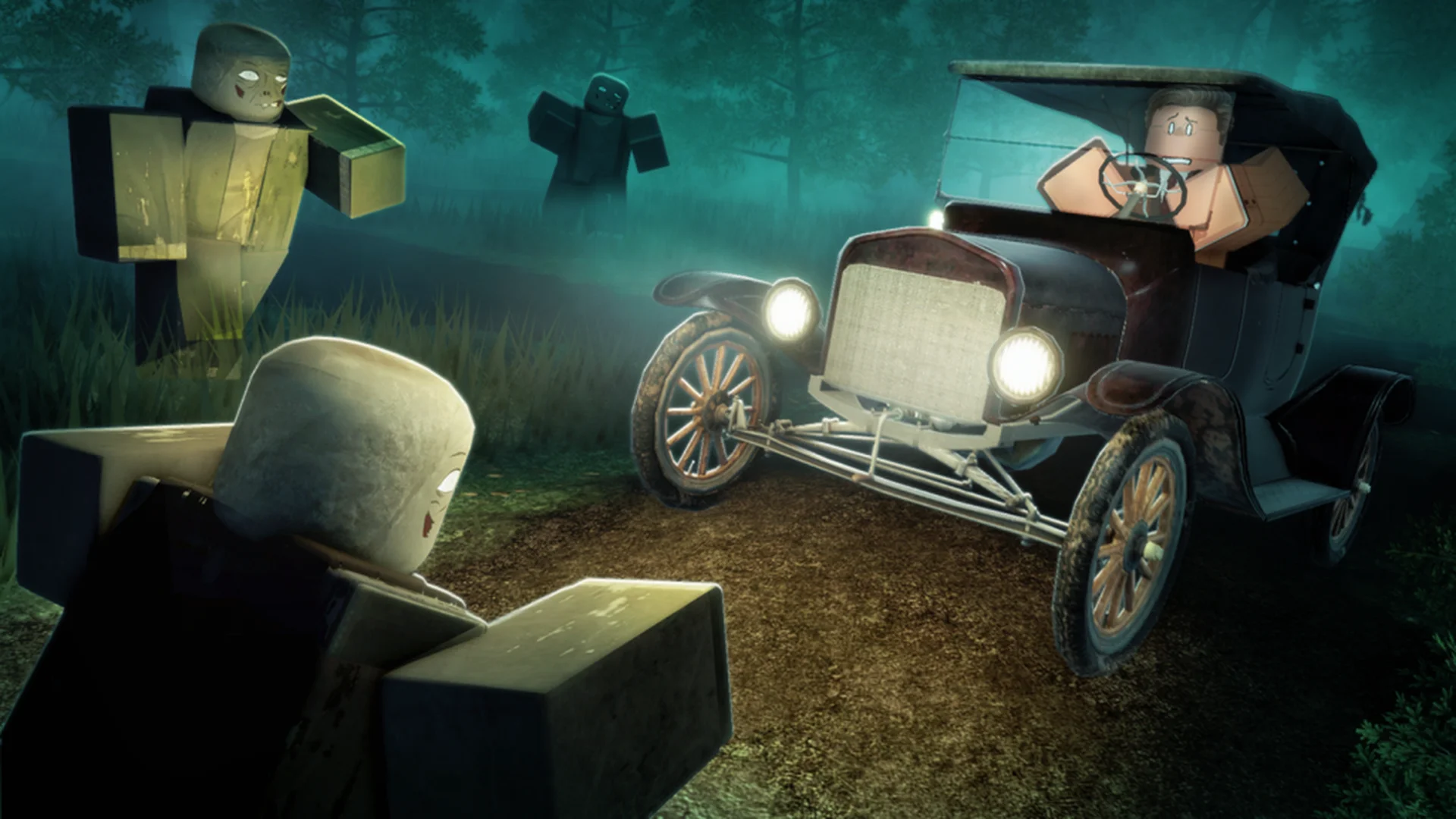
- Road to Ruin monsters are best handled by threat type, positioning, and team coordination.
- Standard encounters become safer when players maintain distance and preserve a retreat path.
- Special enemy groups require regrouping, focused damage, and careful use of medical supplies.
- Boss-level threats demand preparation, assigned roles, and enough resources for the final phase.
- Alpha warning: Enemy names, behaviors, and locations may change as development continues.
Road to Ruin Monsters: Threat Overview
Road to Ruin monsters are currently most useful to study as encounter categories rather than a fixed named bestiary. The Roblox Alpha focuses on vehicle travel, scavenging, survival, and enemy pressure across dangerous road sections. That means the safest counter is usually built around positioning, route control, resource discipline, and communication instead of chasing every target.
The current enemy framework includes common hostile encounters, coordinated enemy groups, boss-level situations, and hazard-linked threats. These categories describe how a threat behaves and how a team should respond. They should not be treated as confirmed species names unless a future official update provides specific enemy identities.
The Road to Ruin Roblox listing is the best starting point for checking the current experience, while the game overview on Medal provides additional public context about the survival-horror format.
| Threat category | Danger rating | Main pressure | Best first response |
|---|---|---|---|
| Standard Hostile Encounter | Moderate | Direct pressure and close-range attacks | Keep distance and focus the nearest threat |
| Special Enemy Group | High | Multiple attack directions and team separation | Regroup and hold a defensible position |
| Boss-Level Encounter | Very high | Sustained pressure and punishing attack windows | Prepare supplies, roles, and escape space |
| Environmental Threat Encounter | Variable | Hazards combined with enemies or limited visibility | Scout slowly and keep a retreat route open |
Do not judge an encounter only by the number of enemies. A small group in a narrow route can be more dangerous than a larger group in open terrain.
Standard Threat
- Moderate danger
- Usually manageable with spacing
- Avoid unnecessary pursuit
Special Group
- High pressure
- Can attack from multiple directions
- Requires team focus
Boss-Level Threat
- Very high danger
- Punishes poor preparation
- Needs assigned responsibilities
Hazard Threat
- Variable danger
- Limited movement or visibility
- Scout before committing
Enemy Behavior and Counter Strategies
The most reliable way to survive enemy encounters is to identify the type of pressure before committing to combat. Players should ask three questions: Can the team retreat? Is the group together? Are enough supplies available for the next route section? If the answer to any question is no, fighting may not be the best immediate choice.
Standard hostile encounters are usually controlled through spacing and focused damage. Keep the nearest threat from reaching vulnerable teammates, but avoid chasing enemies far away from the planned route. A retreat path should remain open before the first attack begins.
Special enemy groups create more risk because they can pressure the team from several directions. Players should reduce the number of active attack angles by using terrain, narrow entrances, cover, or defensible positions. Looting should wait until the group has regained formation.
Boss-level encounters require a different mindset. The team should prepare health, ammunition, fuel, and objective-linked supplies before triggering a major threat. One player can maintain pressure while others focus on positioning, support, or recovery. The group should also avoid spending every resource during the opening phase.
| Counter priority | Standard encounter | Special group | Boss-level encounter | Hazard threat |
|---|---|---|---|---|
| Positioning | Maintain distance | Hold a defensible area | Assign clear spacing | Move slowly and scout |
| Target focus | Nearest reachable threat | Highest-pressure target | Follow the planned role split | Remove immediate blockers |
| Resource use | Limited ammunition | Preserve healing and ammo | Reserve supplies for later phases | Avoid waste before entry |
| Retreat plan | Return toward the vehicle | Regroup before moving | Keep an escape route available | Leave before the route collapses |
Chasing a fleeing enemy away from the vehicle or team can turn a manageable encounter into a rescue situation. Finish the objective, regroup, and move together.
Identify the Encounter
Determine whether the threat is a standard enemy, coordinated group, boss-level encounter, or hazard-linked situation. Check the surrounding terrain before attacking.
Set the Team Position
Keep players within supporting distance, protect the route back to the vehicle, and place the most vulnerable teammate away from the first point of contact.
Assign the Immediate Target
Focus on the threat that can damage or separate the team first. Avoid splitting damage across several targets unless the encounter requires it.
Control Resources
Use ammunition and medical items only when they improve the team’s chance of continuing. Do not spend everything during the first exchange.
Regroup Before Advancing
Confirm that the team is together, supplies are redistributed, and the next route section is understood before looting or moving forward.
Where Monsters Become Most Dangerous
Enemy difficulty is strongly connected to the route rather than a single confirmed spawn list. Exposed road sections, high-risk scavenging areas, narrow passages, and locations with limited escape space create more dangerous conditions. These areas reduce the time available to react and make separation more costly.
The vehicle should remain a central reference point during exploration. Search nearby locations first, remember the return path, and avoid sending every player into separate buildings or side areas. When inventory space or visibility becomes a problem, returning to the vehicle is often safer than extending the search.
The route guide below uses the current Alpha structure described for Road to Ruin. It is a planning framework, not a permanent map of named monster spawns.
| Route area | Main enemy risk | Recommended preparation | Safe team habit |
|---|---|---|---|
| Starting road node | Entering the route underprepared | Check health, supplies, weapons, and ammunition | Confirm roles before departure |
| Scavenging area | Separation during exploration | Keep inventory space and a return route | Search in a short, repeatable pattern |
| Supply point | Spending resources too early | Redistribute medical items and ammunition | Restock according to the next objective |
| Dangerous road segment | Pressure from multiple directions | Preserve combat resources and escape space | Move as a compact group |
| Key objective area | Major encounter activation | Prepare supplies and objective items | Trigger the objective only after regrouping |
Map layouts, enemy behavior, and resource positions may change during Alpha development. Recheck the route after major updates before relying on an older strategy.
A useful route plan has both a safe option and a higher-yield option. The safer route limits combat and detours, while the higher-yield route searches more locations at the cost of additional exposure. Choose based on the team’s health, ammunition, vehicle condition, and remaining travel distance.
Team Roles for Monster Encounters
A fixed class system is not yet established as the central basis for Road to Ruin strategy, so teams should use practical roles. These roles help prevent duplicated responsibilities and make public-server coordination easier.
The Survival Lead controls movement and decides when to advance, fight, or retreat. The Scavenger prioritizes valuable supplies and avoids filling storage with low-value items. The Combat Guard responds to threats and protects players during exposed movement. The Support Runner watches separated teammates, carries shared supplies, and helps the group return to the vehicle.
| Team role | Primary job | Best contribution against monsters | Common mistake |
|---|---|---|---|
| Survival Lead | Route control and decisions | Prevents unnecessary engagements | Advancing before the group is ready |
| Scavenger | Loot selection and inventory control | Keeps essential supplies available | Searching too far from the team |
| Combat Guard | Threat response and protection | Stops enemies from reaching vulnerable players | Chasing targets away from support |
| Support Runner | Recovery and supply coordination | Helps regroup after pressure | Carrying all shared resources alone |
A balanced group does not need identical equipment or playstyles. It needs clear responsibility for movement, supplies, combat response, and recovery.
Before Entering a Dangerous Area:
- Confirm the team is together and the vehicle route is known
- Check health, food, medical supplies, ammunition, and fuel
- Assign a route lead and a player responsible for shared resources
- Identify where the team will retreat if the encounter escalates
- Leave inventory space for objective items or high-value loot
Monster Encounter FAQ
The current Road to Ruin enemy information supports practical encounter planning, but the Alpha status means the bestiary should remain flexible. Use the following answers as a stable starting point and verify major changes through official game updates.
Q: Are there confirmed named Road to Ruin monsters?
The available Alpha information organizes threats into encounter categories rather than confirming a complete list of named monster species. Treat specific names, abilities, and spawn locations as unconfirmed until an official update documents them.
Q: What is the safest way to handle standard hostile encounters?
Maintain distance, keep the team within supporting range, focus the nearest immediate threat, and avoid chasing enemies away from the vehicle or planned route.
Q: How should a team prepare for a boss-level encounter?
Check health, ammunition, medical supplies, objective items, and escape space before activation. Assign roles so one player can maintain pressure while others protect positioning and recovery.
Q: Should players always fight Road to Ruin monsters?
No. Fighting is not always worth the resource cost. If the team is separated, low on supplies, or carrying valuable loot, retreating and regrouping can protect the run more effectively than extending the encounter.
Use the official Roblox experience page and future Studio Lumis announcements to confirm new enemy names, behaviors, map areas, and Alpha balance changes.