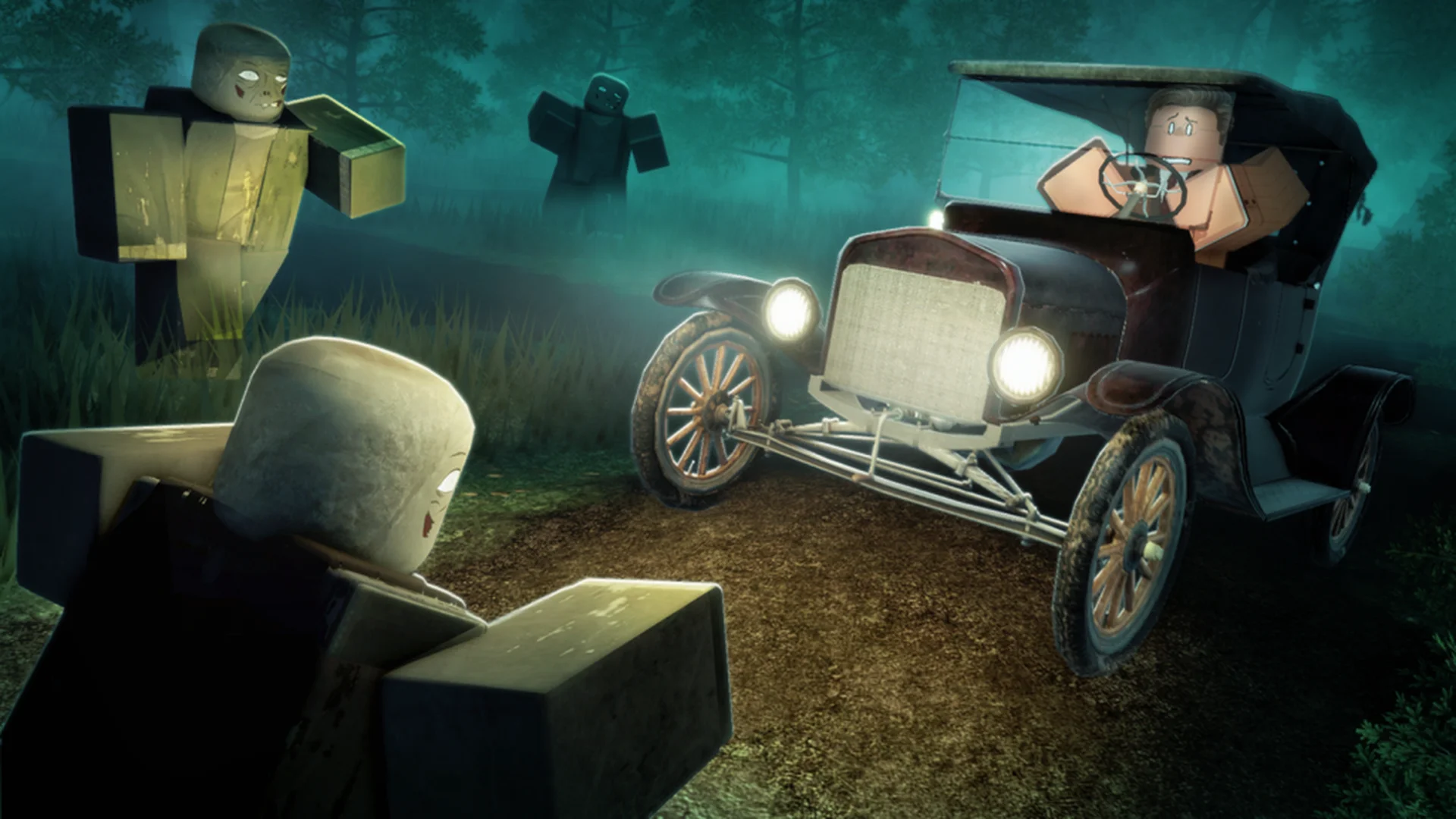
- Road to Ruin friends: Build a team around shared movement, supplies, and vehicle access.
- Best setup: Use a route lead, scavenger, combat guard, and support runner.
- Core rule: Search nearby locations first, then regroup before taking larger risks.
- Resource plan: Treat food, medical supplies, fuel, and ammunition as team resources.
- Alpha note: Recheck routes and systems after major 2026 updates because details may change.
Road to Ruin Friends Co-op Setup
Road to Ruin friends can survive more consistently by treating every journey as a shared operation rather than four separate solo runs. The 2026 Alpha experience centers on preparing a vehicle, searching dangerous locations, collecting supplies, traveling through hostile areas, and completing objectives together. A balanced team reduces duplicated tasks and makes retreats easier when a route becomes unsafe.
Before leaving the vehicle, agree on three points: who leads movement, who tracks shared supplies, and where the team regroups after searching. These decisions matter more than assigning complicated builds, especially while the Alpha version continues to develop its formal character and equipment systems.
Survival Lead
- Controls route movement
- Calls advances and retreats
- Keeps the group together
Scavenger
- Searches containers and buildings
- Prioritizes useful loot
- Returns supplies to the vehicle
Combat Guard
- Watches for hostile encounters
- Protects exposed teammates
- Saves resources for serious threats
Support Runner
- Tracks separated players
- Carries shared supplies
- Helps the group regroup safely
| Team Role | Main Responsibility | Best Priority |
|---|---|---|
| Survival Lead | Route control and team movement | Safety and objective progress |
| Scavenger | Loot collection and inventory efficiency | Food, medical items, fuel, and objectives |
| Combat Guard | Threat response and protection | Positioning and ammunition control |
| Support Runner | Recovery and regrouping | Team spacing and shared supplies |
Keep roles flexible. A player can scout and scavenge during a quiet section, then shift to support when the team reaches a dangerous road segment.
Step-by-Step Friends Survival Plan
A reliable co-op run follows a simple loop: prepare, search, return, redistribute, and advance. The team should avoid spending all resources during the first stop because later road sections may require additional healing, fuel, ammunition, or objective items.
Prepare Before Departure
Check player condition, vehicle readiness, inventory space, and shared supplies. Leave room for valuable discoveries instead of filling storage with low-value items. Confirm the next destination and decide which player will carry essential resources.
Choose a Short Search Route
Start with nearby locations so the team can return to the vehicle quickly. Search in a planned order, remember the vehicle’s position, and avoid sending every player into a different building or side path.
Return and Redistribute
Bring important loot back to the vehicle before continuing. Separate immediate-use supplies from objective materials, then move food, medical items, fuel, and ammunition to the players most likely to need them.
Decide Whether to Fight
Engage only when the encounter protects the route or supports the objective. If the team is separated, carrying valuable loot, or low on supplies, retreating toward the vehicle can be a stronger decision than extending the fight.
Advance Together
Confirm that every player is ready before leaving a checkpoint. Use short callouts for enemy locations, missing teammates, low ammunition, and retreat decisions. Treat regrouping as part of the objective rather than wasted time.
| Journey Stage | Team Action | Common Mistake |
|---|---|---|
| Departure | Check supplies, inventory, and vehicle | Leaving without a shared plan |
| First search | Loot nearby locations in order | Splitting too far from the vehicle |
| Regroup | Deposit and redistribute resources | Keeping essential items in one inventory |
| Dangerous section | Move together and conserve supplies | Chasing enemies away from the route |
| Objective area | Prepare before activation | Triggering danger without an escape plan |
Do not wait until every player is critically weakened before retreating. A controlled withdrawal protects supplies, route progress, and the team’s ability to continue.
Friend Team Roles and Resource Priorities
Road to Ruin rewards teams that manage resources collectively. Food supports extended travel, medical supplies protect the group after dangerous encounters, fuel supports vehicle progression when required, and ammunition determines how long the team can remain effective during repeated threats.
The most valuable item is not always the rarest item. A medical supply may be more important than miscellaneous loot when one player is already weakened. Likewise, fuel becomes a high priority when the next objective depends on vehicle movement. Use the current route, team condition, and remaining inventory space to decide what stays.
| Resource Category | Carry Priority | Recommended Team Rule |
|---|---|---|
| Food | High on long routes | Share it instead of letting one player carry the full reserve |
| Medical Supplies | Very high | Distribute recovery options across multiple players |
| Fuel | High when travel requires it | Assign one player to track fuel and confirm the next destination |
| Weapons | High for combat roles | Avoid giving every player the same function |
| Ammunition | Very high during dangerous sections | Transfer spare rounds to the player carrying the key ranged weapon |
| Miscellaneous Loot | Medium, or high for objectives | Drop low-value duplicates when essential supplies are needed |
Safe Route Focus
Preserve health and ammunition by avoiding unnecessary fights. This works well when supplies are limited or the team is learning the route.
High-Yield Route Focus
Search side areas for additional resources, accepting more travel time and greater exposure to danger.
Objective Focus
Carry only what supports the next task, protect objective-linked items, and reserve enough supplies for the return or final encounter.
Use shared supplies according to team condition and route demands, not according to who found the item first.
Combat and Route Coordination
Friends should identify danger before committing to a fight. Standard hostile encounters are easier to handle when the team maintains distance, focuses on the nearest immediate threat, and keeps a clear retreat route. Higher-pressure groups require stronger positioning because enemies may apply pressure from multiple directions.
Boss-level or major objective encounters deserve additional preparation. Check health, ammunition, medical supplies, and escape space before activating the objective. Assign one player to maintain pressure while another watches positioning and a third supports recovery or supplies.
| Encounter Type | Danger Level | Recommended Response |
|---|---|---|
| Standard hostile encounter | Moderate | Focus the closest threat and avoid chasing |
| Special enemy group | High | Hold a defensible position and regroup before looting |
| Boss-level encounter | Very high | Prepare supplies, assign roles, and preserve an escape route |
| Environmental threat | Variable | Scout slowly and retreat before the route becomes unsafe |
Use concise callouts rather than long explanations during combat:
- “Enemy ahead” identifies the immediate threat.
- “Vehicle side” points teammates toward the retreat route.
- “Low ammo” signals that another player should take priority.
- “Regroup” stops the team from advancing in different directions.
- “Objective ready” confirms that the group has prepared before activation.
Before Leaving the Vehicle:
- Choose a route lead and support player
- Check food, medical supplies, fuel, weapons, and ammunition
- Leave inventory space for valuable or objective-linked loot
- Set a regroup location and retreat callout
- Confirm every teammate is ready before moving
Avoid splitting damage across several targets when one immediate threat can reach the group. Focused pressure usually creates a safer opening for retreat or repositioning.
Friends Checklist, Alpha Notes, and FAQ
Because Road to Ruin remains in Alpha during 2026, strategies should be treated as practical team guidance rather than fixed class rules. Map structure, resource placement, enemy behavior, and objective requirements may change with future updates. Recheck the Road to Ruin Roblox listing and the available Road to Ruin game information when a new release changes the experience.
Strong Co-op Habits:
- Stay within supporting distance during dangerous sections
- Return valuable supplies to the vehicle regularly
- Keep objective items separate from low-value loot
- Share enemy, ammunition, and teammate-location callouts
- Review the route after major Alpha updates
Q: How many friends should play Road to Ruin together?
The available information emphasizes multiplayer cooperation rather than a fixed ideal team size. Build the group around clear responsibilities, such as route control, scavenging, combat protection, and support.
Q: What is the best team setup for Road to Ruin friends?
A balanced setup uses a Survival Lead, Scavenger, Combat Guard, and Support Runner. These are practical team roles for the Alpha version, not confirmed permanent classes.
Q: Should friends split up to search more locations?
Short splits may increase coverage, but they also make rescue and combat more difficult. Search nearby areas first, keep a retreat route open, and regroup at the vehicle before taking larger risks.
Q: What should friends prioritize during a difficult run?
Protect the team’s ability to continue. Prioritize medical supplies, required fuel, useful ammunition, food for long routes, and objective-linked items over low-value duplicate loot.
Road to Ruin is listed as a Roblox multiplayer survival horror experience in Alpha during 2026. Recheck current listings and update notes before relying on a specific route, enemy behavior, or item priority.