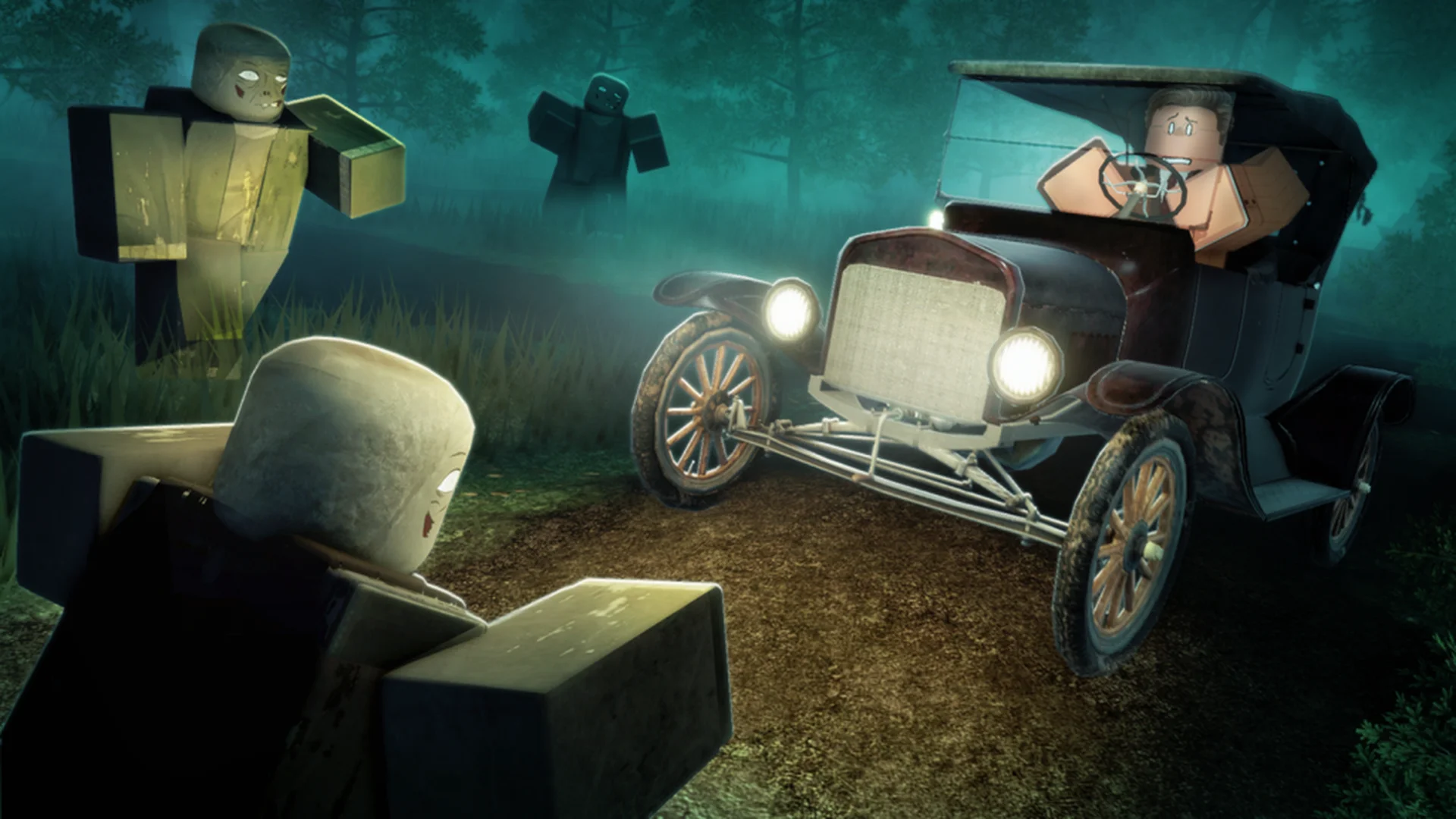
- Road to Ruin roadmap: Plan each journey around preparation, scavenging, travel, and extraction.
- Best opening: Check the vehicle, supplies, inventory space, and team roles before leaving.
- Route priority: Secure nearby resources before taking risky detours or entering exposed areas.
- Combat rule: Fight only when the encounter protects progress or blocks the next objective.
- Alpha caution: Recheck routes, item priorities, and systems after major 2026 updates.
Road to Ruin roadmap: Core Route Plan
The Road to Ruin roadmap is best understood as a practical journey plan rather than a confirmed developer release schedule. The Alpha experience centers on preparing a vehicle, searching dangerous locations, managing shared supplies, traveling through hostile areas, and reaching the next objective with enough resources to continue.
Because Road to Ruin remains in Alpha during 2026, map layouts, resource locations, enemy behavior, and progression systems may change. Use the route structure below as a flexible framework. Confirm the current in-game layout before committing valuable supplies to a long detour.
| Route Stage | Main Goal | Priority Decision | Main Risk |
|---|---|---|---|
| Starting Road Node | Prepare the team and vehicle | Confirm supplies and inventory space | Leaving before the group is ready |
| Scavenging Area | Collect useful resources | Take essential loot first | Staying too long or splitting up |
| Supply Point | Recover and redistribute items | Preserve resources for the next segment | Spending supplies too early |
| Dangerous Road | Reach the next objective safely | Avoid unnecessary combat | Running out of healing or ammunition |
| Objective Area | Complete the current task | Prepare an escape route first | Triggering danger without support |
Safe Progression
- Stay close to the vehicle
- Search nearby locations first
- Avoid unnecessary enemy encounters
- Preserve supplies for later route sections
High-Yield Detour
- Search secondary locations
- Expect greater travel exposure
- Carry extra medical supplies
- Leave when inventory value drops
Emergency Retreat
- Return to the vehicle
- Stop chasing distant enemies
- Protect objective-linked items
- Regroup before advancing again
Use the safe route as your default plan. Choose a high-yield detour only when the team has enough health, storage space, fuel, and escape time to absorb additional risk.
Step-by-Step Journey Setup
A successful run starts before the first road segment. The most common preventable failures come from leaving without a shared plan, carrying low-value items, or allowing one player to control essential supplies. Follow this setup sequence before every major journey.
Inspect the Vehicle
Check the vehicle’s current condition, available storage, and travel requirements. Keep the vehicle central to the route instead of treating it as a distant checkpoint. Every player should know where it is parked before the team begins searching.
Assign Team Responsibilities
Choose a route lead, scavenger, combat guard, and support runner when the group has enough players. In a smaller team, combine roles rather than letting everyone search independently. Clear responsibilities make retreat and rescue decisions faster.
Set Inventory Priorities
Reserve space for food, medical supplies, fuel, ammunition, weapons, and objective materials. Leave low-value duplicates behind when storage becomes limited. Important resources should be distributed instead of being held by one player.
Choose the First Search Area
Start with a nearby location that offers useful supplies without forcing the team into an extended detour. Keep a clear return path to the vehicle and set a time to regroup before the search begins.
Confirm the Retreat Rule
Decide in advance when the team will stop fighting and return. A simple rule such as “retreat when supplies or formation break down” prevents one encounter from consuming the resources needed for the rest of the journey.
| Preparation Check | Ready Standard | If Not Ready |
|---|---|---|
| Vehicle | Accessible and included in the route plan | Reposition or regroup before departure |
| Health | Team members can survive the next section | Recover before entering danger |
| Inventory | Space remains for important discoveries | Unload low-value items |
| Supplies | Food, medical items, fuel, and ammunition are reviewed | Search nearby areas first |
| Communication | Players know roles and retreat signals | Assign responsibilities before moving |
Do not assume that a route, resource position, or objective behavior will remain unchanged. Treat every major 2026 Alpha update as a reason to recheck the opening route and inventory plan.
Loot, Vehicle, and Resource Priorities
Resource management determines how far a team can travel. Road to Ruin rewards players who consider the next danger area instead of using every item as soon as it is found. The correct priority changes with team condition, route length, storage space, and the objective ahead.
| Resource Category | Carry Priority | Best Use | Team Rule |
|---|---|---|---|
| Food | High on long routes | Use when the recovery value is meaningful | Share across the team |
| Medical Supplies | Very high | Reserve for serious injuries or dangerous transitions | Distribute when possible |
| Fuel | High when travel requires it | Spend only for necessary vehicle progress | Assign one player to track it |
| Weapons | High for combat roles | Equip before known danger areas | Avoid unnecessary duplication |
| Ammunition | Very high for ranged builds | Save for confirmed threats and major encounters | Transfer rounds to the key combat player |
| Objective Items | High while active | Keep until the related task is complete | Protect them during retreats |
| Miscellaneous Loot | Medium | Carry only when space and route safety allow | Discard low-value duplicates first |
The vehicle should function as the team’s shared supply base. Return regularly to unload valuable items, redistribute medical supplies, and confirm that the next route segment is still worth taking. A player who carries every important item creates a single point of failure if that player becomes separated or defeated.
Food
Restore travel capacity when the team has meaningful resource loss. Avoid consuming food immediately after finding it if the group is already stable.
Medical Supplies
Keep healing available for dangerous transitions. A weakened player can make the whole formation more vulnerable, so share medical items when practical.
Fuel
Track fuel as a team resource. Confirm the next destination before spending it, especially when the route includes optional walking or scavenging areas.
Ammunition
Preserve ammunition for threats that block progress. Avoid spending large amounts on enemies that can be bypassed or handled with safer positioning.
When storage is limited, keep items that support movement, recovery, combat, or the active objective. Low-value duplicates should be the first items removed.
Co-op Roles and Combat Decisions
Road to Ruin is designed around cooperative survival, so the strongest team is not necessarily the one with the most aggressive players. A balanced group combines route control, scavenging, threat response, and resource coordination. These roles describe practical responsibilities and should not be treated as confirmed formal classes.
| Team Role | Primary Job | Best Strength | Common Mistake |
|---|---|---|---|
| Survival Lead | Controls movement and retreat calls | Route awareness | Advancing before teammates regroup |
| Scavenger | Searches areas and manages loot value | Resource efficiency | Staying away from the vehicle too long |
| Combat Guard | Protects the group during encounters | Threat response | Chasing enemies away from support |
| Support Runner | Tracks supplies and separated teammates | Recovery and flexibility | Carrying too many shared items alone |
Use the following combat priorities when an encounter begins:
- Keep a retreat path open before committing to a fight.
- Focus on the threat closest to the team’s vulnerable players.
- Maintain supporting distance instead of forming isolated duels.
- Avoid chasing enemies into unknown areas.
- Preserve medical items and ammunition for the next objective.
- Retreat when the team loses formation, visibility, or resource control.
A standard hostile encounter may be manageable when the team stays together and controls distance. A larger enemy group demands stronger positioning and better resource discipline. A boss-level or major objective encounter should be treated as a planned event: prepare health, ammunition, escape space, and role assignments before triggering it.
Before Leaving the Vehicle:
- Confirm the vehicle and return route
- Assign route, scavenging, combat, and support responsibilities
- Review food, medical supplies, fuel, weapons, and ammunition
- Leave inventory space for objective items
- Choose a retreat signal and regroup point
Do not extend a fight simply because the team has already spent resources. If the objective is no longer protected by continued combat, retreating may preserve the run.
Alpha Roadmap Tracking and FAQ
The public information currently supports a gameplay roadmap for planning journeys, not a confirmed calendar of future developer releases. Road to Ruin is listed as an Alpha Roblox multiplayer survival horror experience associated with Studio Lumis, with a 1930s road setting, vehicle exploration, scavenging, cooperation, and enemy encounters.
For the current game entry, use the Road to Ruin Roblox search page and the related Road to Ruin experience listing. Check the in-game experience page before relying on older route notes or system assumptions.
| Roadmap Area | What to Track | Why It Matters |
|---|---|---|
| Map Changes | Road nodes, buildings, detours, and resource points | Route safety may change |
| Enemy Changes | Spawn behavior, pressure, and encounter locations | Combat priorities may shift |
| Item Changes | Availability, usefulness, and carrying value | Inventory plans may need revision |
| Vehicle Systems | Travel, storage, fuel, and durability | The vehicle anchors the route |
| Objective Flow | Task order and extraction requirements | Preparation timing may change |
Q: What does the Road to Ruin roadmap currently cover?
It covers a practical journey structure: prepare the vehicle, assign roles, search nearby locations, manage shared resources, cross dangerous road sections, and complete objectives. It should not be treated as a confirmed developer release calendar.
Q: Should I take every high-yield detour?
No. Take a detour only when the team has enough health, storage space, supplies, and time to handle additional exposure. Safe progression is usually the better choice when resources are limited.
Q: Which resources deserve the highest priority?
Medical supplies, ammunition for the team’s main combat role, fuel when travel requires it, and objective-linked items deserve high priority. Food becomes especially important on long routes.
Q: Can the route change during the Alpha?
Yes. Road to Ruin is in Alpha, so map structure, resource placement, enemy behavior, and objective systems may change during 2026. Recheck current in-game information after major updates.
Treat this roadmap as a repeatable decision framework. Before every journey, confirm the current map, vehicle requirements, resource condition, team roles, and safest return path.