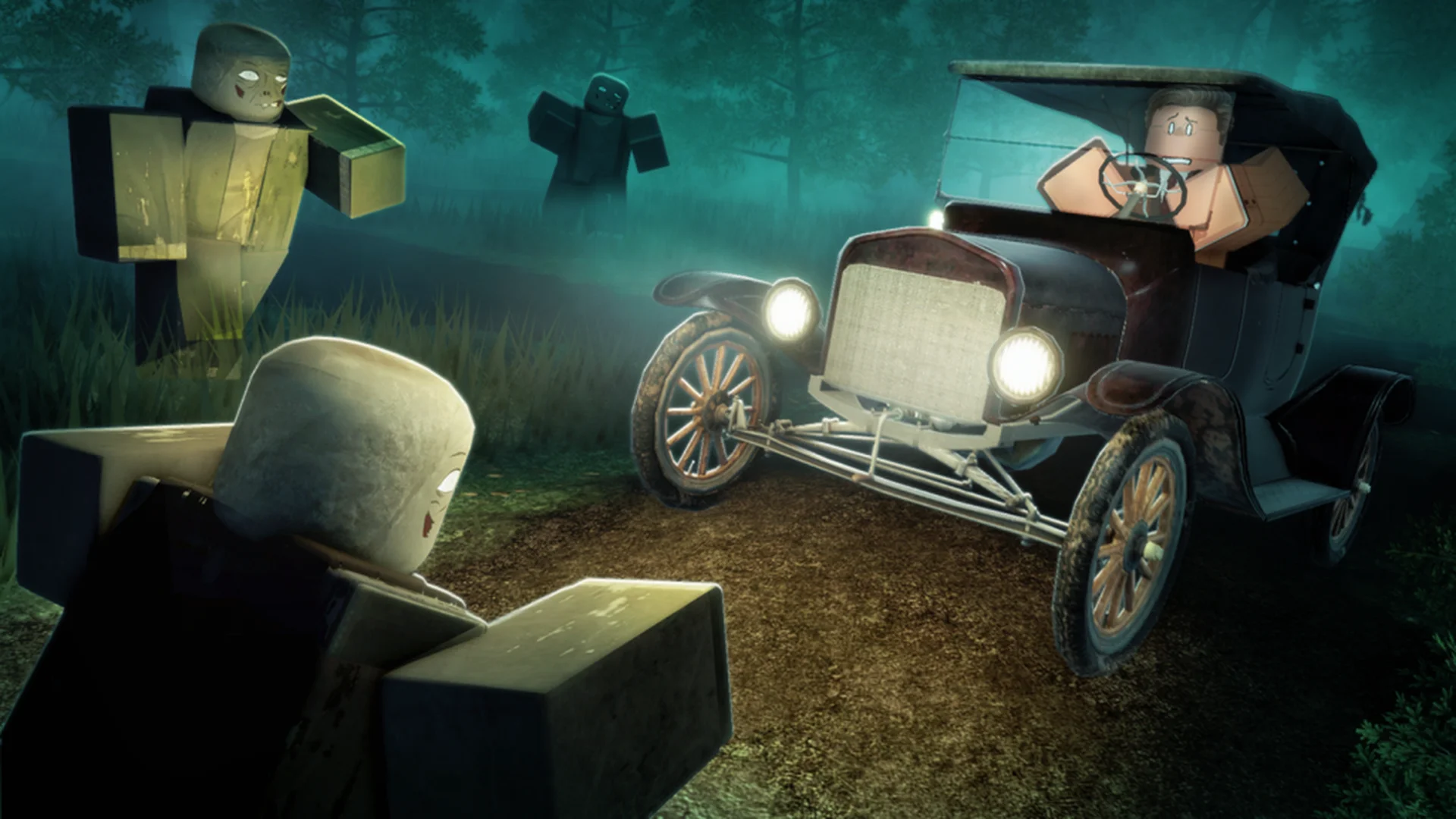
- Road to Ruin secret area searches should begin near accessible side paths and overlooked structures.
- Stay with the vehicle so the team can retreat before supplies or inventory space become problems.
- Search systematically instead of splitting up across multiple buildings or road branches.
- Treat unconfirmed locations carefully because the 2026 Alpha map may change between updates.
- Prioritize survival loot before spending time on optional exploration or low-value containers.
Road to Ruin secret area Search Basics
The best way to search for a Road to Ruin secret area is to treat every journey as a structured exploration run. The current Alpha information confirms dangerous roads, scavenging locations, vehicles, shared supplies, and changing route conditions, but it does not establish a permanently named secret location. That means players should focus on repeatable search habits instead of following an unverified landmark label.
Begin by checking the area around the vehicle, then inspect nearby structures, side paths, narrow route openings, and locations that appear separated from the main travel line. Keep the team close enough to respond to threats, and return to the vehicle whenever storage, health, or fuel becomes a concern.
| Search Priority | What to Inspect | Why It Matters |
|---|---|---|
| High | Side buildings near the main route | Optional rooms may contain supplies or alternate entrances |
| High | Narrow paths and blocked-looking openings | Small route changes can hide exploration opportunities |
| Medium | Secondary containers and quiet corners | Useful when the team has safe time and inventory space |
| Medium | Areas beyond the normal vehicle path | These may offer extra loot but increase return distance |
| Low | Long detours with no visible reward | Risk can outweigh the value of low-priority exploration |
Use a consistent loop: vehicle, main structure, nearby side path, secondary container, then return route. Repeating the same pattern makes unusual openings easier to notice.
Route Scout
- Checks the next road section
- Looks for alternate entrances
- Calls out threats and retreat paths
Loot Manager
- Tracks shared inventory space
- Prioritizes food, medical supplies, and fuel
- Returns valuable items to the vehicle
Combat Guard
- Protects players inside structures
- Watches the team’s rear position
- Helps prevent dangerous separation
Step-by-Step Secret Area Search Route
A reliable search route prevents the most common exploration mistakes: wandering too far, splitting the team, and spending essential resources before the objective is complete. Use the following process whenever you reach a new road section or scavenging area.
Secure the Vehicle Area
Before searching, confirm that the vehicle is accessible and that every player knows the return direction. Check health, available supplies, and inventory space. The vehicle should remain the team’s regrouping point rather than becoming an abandoned landmark.
Read the Main Route
Walk the obvious path first and identify structures, road branches, fences, narrow passages, and unusual terrain. Do not rush into combat or loot containers until the team understands where it can retreat.
Search the Nearest Structure
Inspect the closest building or accessible area using a short, organized sweep. Check rooms, corners, containers, and exits before moving farther away. Keep one player positioned toward the entrance or return path.
Test Optional Branches
Examine side roads, narrow openings, and paths that appear to lead behind or around the main structure. If the route requires a long detour, confirm that the potential reward justifies the added exposure.
Return and Reassess
Bring important supplies back to the vehicle, redistribute items, and compare the team’s condition with the remaining route. Continue only when the group still has enough resources for danger, travel, and extraction.
| Route Stage | Main Action | Stop Condition |
|---|---|---|
| Vehicle | Prepare supplies and assign roles | A player lacks an essential item |
| Main path | Identify landmarks and threats | The next area cannot be safely read |
| Nearby structure | Search accessible rooms and containers | Inventory becomes crowded |
| Optional branch | Check side routes and hidden-looking openings | The detour becomes too exposed |
| Return loop | Deposit loot and regroup | The team is ready for the next objective |
A possible hidden route is not worth losing the entire run. Retreat when the team is separated, low on healing, short on ammunition, or unable to identify the way back.
Loot, Risk, and Team Preparation
Secret-area exploration is valuable only when the team can preserve what it finds. Use shared inventory rules before leaving the vehicle, and make sure essential supplies are not buried under low-value items. Food, medical supplies, fuel, weapons, and ammunition each serve a different survival purpose.
The 2026 Alpha experience is designed around movement, scavenging, enemy pressure, and cooperation. A hidden room or side path may provide useful resources, but the route can also create extra exposure. Players should evaluate the search according to distance, escape options, and the team’s remaining supplies.
| Resource | Carry Priority | Best Use During Exploration | Team Rule |
|---|---|---|---|
| Medical supplies | Very high | Serious injuries or dangerous transitions | Distribute across players when possible |
| Fuel | High | Vehicle travel or required movement | Assign one player to track the reserve |
| Food | High on long routes | Extended travel and recovery needs | Avoid giving the entire supply to one player |
| Ammunition | High for combat roles | Confirmed threats and major encounters | Transfer spare rounds to the active combat player |
| Weapons | High for designated guards | Dangerous structures and enemy groups | Avoid duplicating every player’s role |
| Miscellaneous loot | Medium | Objectives or future utility | Drop duplicates when essential space is needed |
Safe Search
Stay close to the vehicle, inspect nearby locations, and leave before the area becomes dangerous.
Balanced Search
Explore one side route after securing the main structure and essential supplies.
High-Yield Search
Check deeper branches and secondary containers when the team has strong reserves.
Abort Search
Return immediately after separation, heavy damage, or a blocked retreat path.
Road to Ruin remains an Alpha experience. Map layouts, resource positions, enemy pressure, and exploration rewards may change, so record the build context when sharing a possible secret location.
Handling Enemies Near Hidden Routes
Enemies are the main reason a short exploration detour can become a failed run. Before entering a suspected secret area, establish who leads, who watches the rear, and who carries shared medical supplies. Avoid chasing enemies away from the route unless defeating them is necessary for progression.
A compact team formation is usually safer than sending individual players into separate rooms. The route scout can identify danger, while the combat guard protects the group and the loot manager keeps the team supplied. If an encounter escalates, retreat toward the vehicle or another known safe point instead of continuing simply because the area might contain a reward.
| Threat Situation | Recommended Response | Avoid |
|---|---|---|
| Single hostile encounter | Focus the nearest threat and keep the retreat path open | Chasing it far from the team |
| Multiple enemies | Hold a defensible position and regroup | Splitting damage across distant targets |
| Narrow passage | Send one player to scout while others remain close | Entering without an escape direction |
| Low visibility area | Move slowly and use short callouts | Rushing into an unknown room |
| Injured teammate | Protect the retreat and use supplies carefully | Leaving the player behind during a detour |
Secret Area Exploration Checklist:
- Confirm the vehicle location and return route
- Assign a route scout, loot manager, and combat guard
- Search the main structure before taking a long detour
- Keep medical supplies and ammunition available
- Mark or remember unusual entrances and side paths
- Return to the vehicle before inventory space becomes critical
A successful secret-area search is not only finding a hidden room. It also means returning with useful supplies, keeping the team together, and preserving enough resources to continue the journey.
How to Verify a Possible Secret Location
A credible discovery should be repeatable, clearly described, and separated from speculation. When a player finds an unusual area, record the route from the vehicle, the nearest recognizable structure, the entrance type, and any reward or encounter inside. Avoid presenting an unconfirmed path as a permanent map feature.
Use the official Road to Ruin Roblox search page to check the current experience listing, and compare major changes with the available Road to Ruin game information. These links help confirm the current Alpha context, but they should not be used to claim a specific hidden location unless the route can be observed in the active build.
| Verification Detail | Good Record | Weak Record |
|---|---|---|
| Starting point | “Vehicle beside the first marked structure” | “Near the beginning” |
| Route | “Take the right branch after the second building” | “Go somewhere off-road” |
| Entrance | “Narrow opening behind a damaged wall” | “Secret entrance” |
| Reward | “Medical item and miscellaneous loot” | “Rare guaranteed reward” |
| Version context | “Observed in the 2026 Alpha build” | No build information |
| Repeatability | Seen by multiple teammates or on repeated runs | One unverified sighting |
Use landmarks, direction changes, and return instructions rather than invented location names. Clear descriptions help other players test the route without turning speculation into wiki fact.
Q: What is the Road to Ruin secret area?
No permanently named secret area is confirmed in the available 2026 Alpha information. Players should search side paths, secondary structures, narrow openings, and overlooked route branches using a repeatable method.
Q: Where should I look first for a hidden area?
Start near accessible structures close to the vehicle, then inspect side paths and alternate entrances around the main route. Keep the vehicle as the team’s return point.
Q: Should the team split up to search faster?
Splitting up can reduce search time but increases the risk of enemy pressure, lost teammates, and failed retreats. A compact formation with assigned roles is safer for most exploration runs.
Q: Can the secret area change in Road to Ruin?
Yes. Road to Ruin is in Alpha, so map structure, resource placement, enemy behavior, and exploration rewards may change after updates. Record the build context when reporting a discovery.
Best Practices for Future Discoveries
The strongest secret-area guides combine exploration with survival discipline. Search the nearest safe locations first, preserve the vehicle as a central anchor, and treat every optional branch as a risk-versus-reward decision. This approach remains useful even when Alpha updates move structures or alter route behavior.
When reporting a new discovery, include the starting landmark, route direction, entrance description, enemy conditions, reward category, and whether the path was repeatable. That information gives other players a practical way to verify the discovery without relying on exaggerated claims.
| Discovery Type | Report This | Recommended Confidence |
|---|---|---|
| Alternate route | Starting landmark, turns, exit point | Medium until repeated |
| Hidden room | Entrance, structure, accessible path | Medium to high after team testing |
| Special loot spot | Item category, container, route risk | Medium until confirmed across runs |
| Enemy ambush | Trigger area, escape path, enemy pressure | High when consistently observed |
| Map change | Build context, old route, new route | High with update comparison |
Do not label a location as permanent, guaranteed, or exclusive unless it has been repeatedly confirmed in the active Alpha build. Use “possible,” “reported,” or “unconfirmed” when evidence is limited.